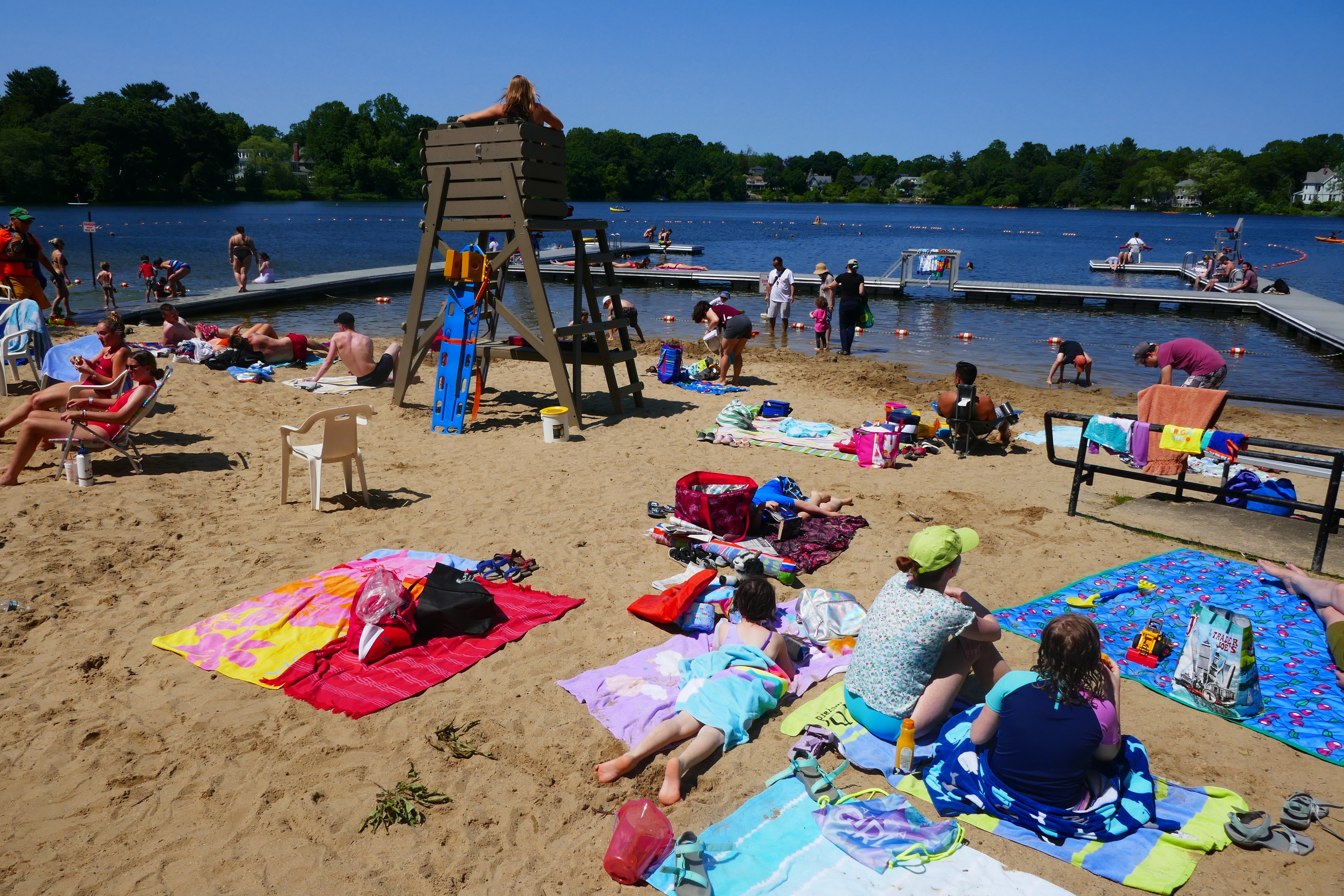
Crystal Lake will not reopen for swimming this summer. Mayor Marc Laredo announced Friday, Aug. 14, that the beach is shut down for the remainder of the 2026 season after lab tests showed E. coli levels had spiked again, just two days after the lake reopened from its previous closure.
Laredo warned that no one, including pets, should have contact with the water, according to the Newton Beacon.
The official swimming season was already set to end this weekend, but the closure carries a public health warning: residents who swam in the lake and are experiencing gastrointestinal issues, itchiness, or cold and flu symptoms should see a doctor. Ingesting E. coli can cause serious illness.
This marks the third time in seven weeks that Crystal Lake has been closed. The first shutdown came June 22, when high levels of cyanobacterial algae were detected ahead of the July 4 weekend. The second closure began Aug. 7 after water samples exceeded the city's E. coli safety threshold of 235 colony-forming units per 100 milliliters.
The lake reopened Wednesday, Aug. 12, after state lab tests cleared E. coli levels. But samples taken after the reopening came back elevated again, triggering the final shutdown.
When Laredo announced the second closure on Aug. 9, he said "new samples will be taken every weekday until the E. coli level is back within safety limits." That daily testing protocol is what caught the latest spike so quickly.
Drought fueling closures statewide
Crystal Lake's troubles are not unique. On Aug. 9, nearly 50 beaches and swimming areas across Massachusetts were closed or under advisories, with bacterial contamination and harmful cyanobacteria blooms the most common causes, MassLive reported.
Eastern Massachusetts remains in a significant drought despite above-average July rainfall. Newton's Middlesex County region improved from a Level 3 (Critical) drought to Level 2 (Significant) as of August, but the area still carries the state's greatest long-term precipitation deficit, according to drought monitoring data. The dry conditions have concentrated bacteria and algae in waterways, fueling repeated closures at lakes and beaches statewide.
No information has been released about when Crystal Lake will next be tested or what steps the city plans before the 2027 season.