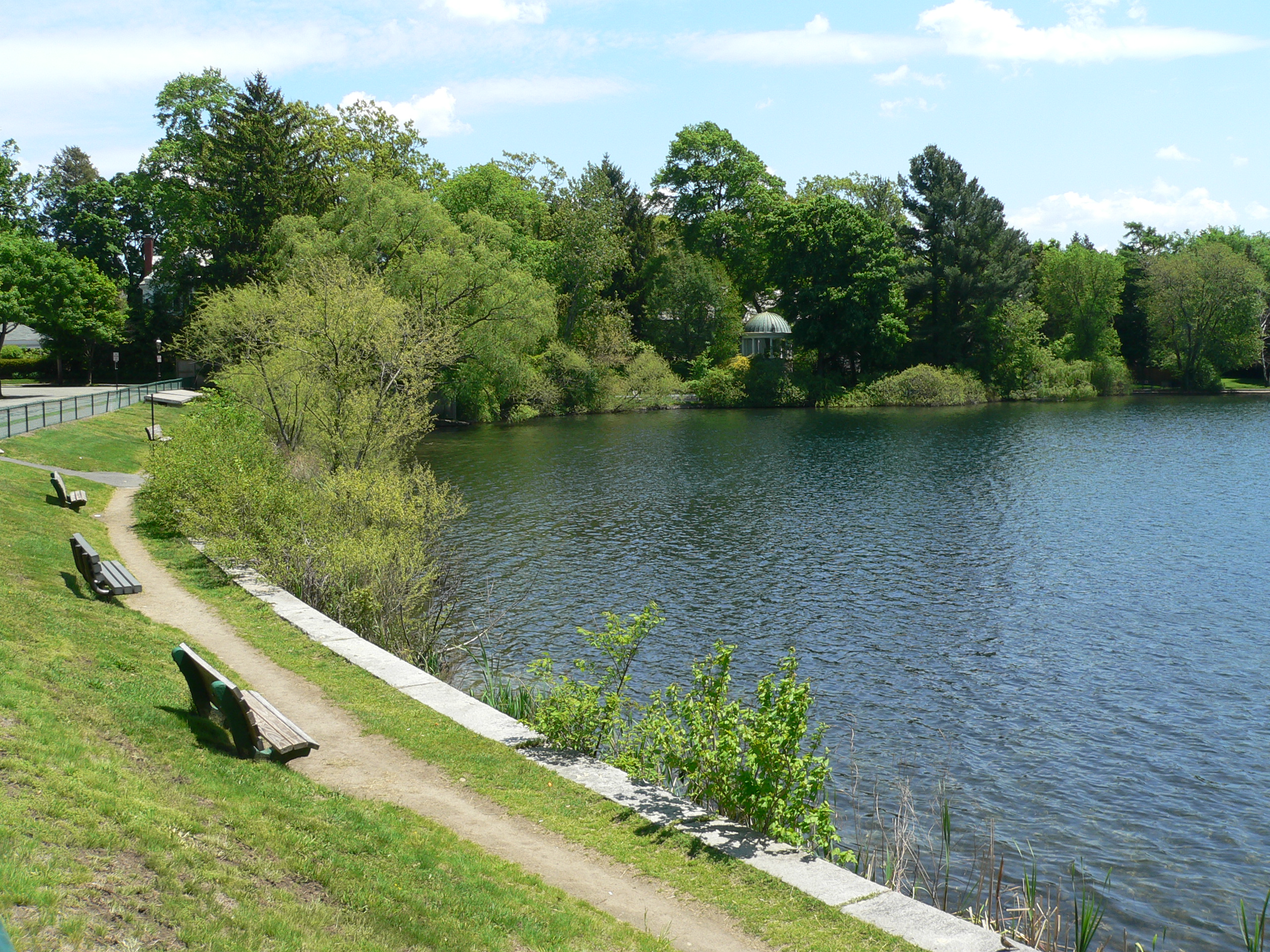
Crystal Lake's 2026 swim season ended two days early after E. coli levels spiked to 860 colony-forming units per 100 milliliters on Aug. 13, more than 3.6 times the state safety limit of 235 CFU. The lake was closed three times in nine weeks, and city data now shows bacteria readings swung wildly despite a chemical treatment applied months before the season began.
Mayor Marc Laredo announced the season-ending closure on Friday, Aug. 14, warning that no one, including pets, should have contact with the water. The season had been scheduled to run through Sunday, Aug. 16. Residents who swam in the lake and developed gastrointestinal symptoms, sore throats or itchiness were urged to contact their health care provider.
What the weekly data shows
The city's full testing results show a lake that stayed within safe limits through most of June and July before collapsing in August. Early-season readings were low: 16 CFU on June 10, 20 CFU on June 17. Even after a late-June cyanobacteria closure forced the lake shut around June 22, E. coli levels remained manageable when testing resumed, with readings of 20, 108, 48 and 140 CFU through July 22.
Then came July 30: just 12 CFU. Six days later, the Aug. 5 sample returned 660 CFU, nearly three times the limit. A confirmation sample on Aug. 6 came back at 344 CFU, triggering the second closure of the season.
The city shifted to daily weekday testing. A sample on Aug. 10 dropped to 5 CFU, briefly suggesting recovery. But readings surged again to 700 CFU on Aug. 12 and 860 CFU on Aug. 13, ending any hope of salvaging the final weekend.
A post-season test on Aug. 17 returned just 24 CFU. By then, the gates were already locked.
April treatment preceded closures
Newton applied alum and sodium aluminate to Crystal Lake from April 15 to 17, a treatment aimed at reducing phosphorus levels that fuel cyanobacteria growth. The city conducted similar applications in 2020 and 2022 and describes the method as "a well-established and common treatment for improving water quality without harm to local wildlife."
Despite the treatment, a cyanobacteria bloom forced the lake's first closure around June 22, just one week into the season. Under Massachusetts Department of Public Health guidance, the lake needed two consecutive clean samples a week apart before reopening. Samples on June 24 and July 1 met that standard, according to Patch, and the lake reopened.
City officials have not publicly said whether they consider the treatment's outcome a success.
Why the lake is vulnerable
Crystal Lake is a kettle pond with no headwaters, fed primarily through stormwater runoff. Runoff from impervious surfaces picks up leaf litter and organic debris, contributing phosphorus that feeds algae and bacteria. Eastern Massachusetts experienced a prolonged drought during summer 2026, as the Newton Beacon reported, drying up waterways and concentrating contaminants.
When the second closure began in early August, Laredo said on Aug. 9 that "new samples will be taken every weekday until the E. coli level is back within safety limits." That accelerated testing captured the lake's brief dip and dramatic rebound in real time.
Cyanobacteria protocol and what's ahead
Newton's Health and Human Services department, led by Commissioner Shin-Yi Lao, monitors for harmful algal blooms during the swim season. If a bloom is visually identified, the department issues a public health advisory for the entire lake because cyanobacteria move freely throughout a waterbody. Testing does not begin until the bloom visually disappears, since toxin concentrations are highest when the water turns clear. Two consecutive clean tests, one week apart, are required before an advisory can be lifted.
No city official has announced a post-season review, a 2027 treatment schedule or any policy changes in response to the summer's repeated closures. Laredo offered free swimming at the Gath Pool complex for Newton residents through Aug. 16, with the pools remaining open through Saturday, Aug. 29.