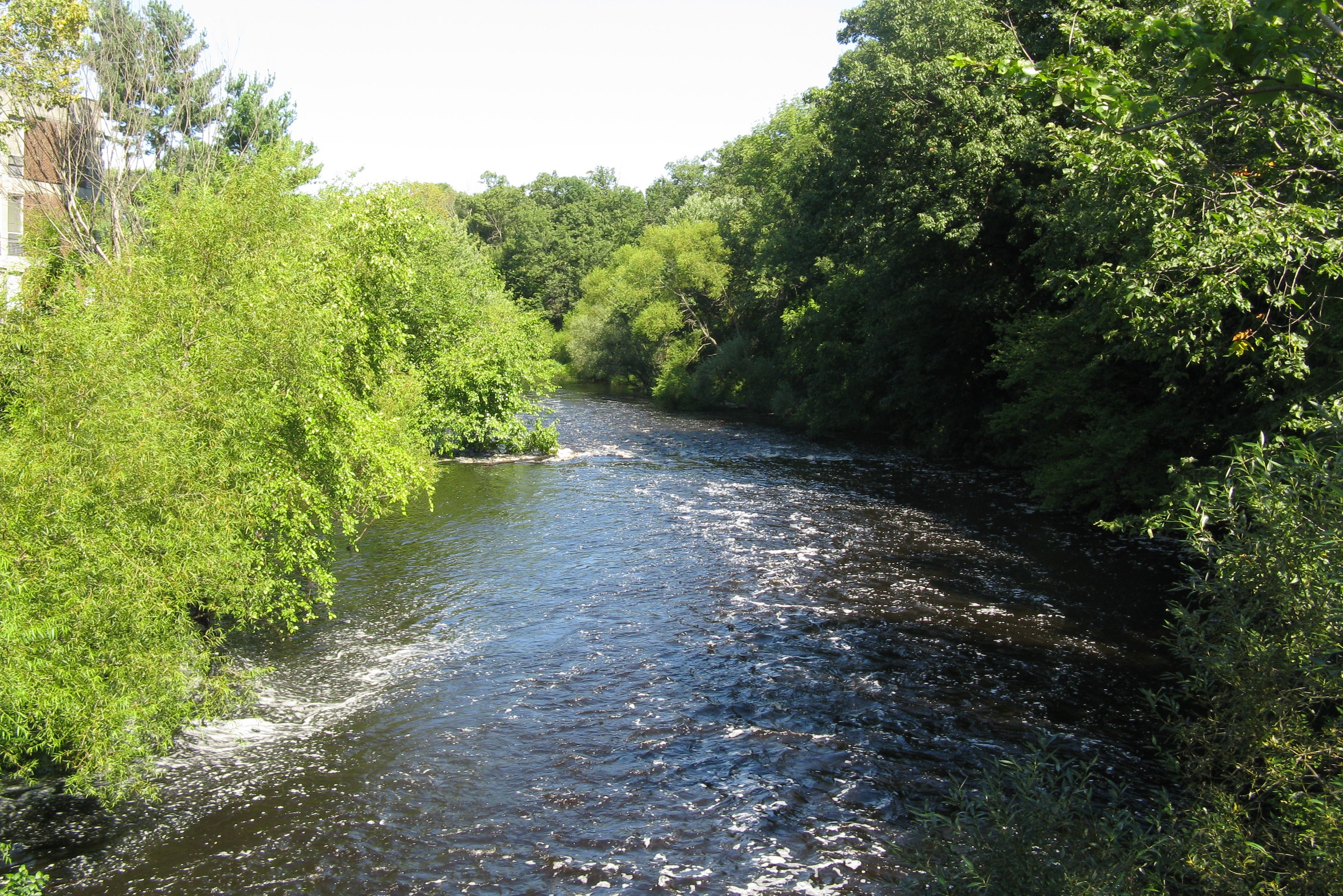
If you swim, kayak or row on the Charles River, you have until Sept. 30 to weigh in on a plan meant to stop sewage from fouling it — and environmental advocates say the current draft doesn't go far enough.
How bad is the problem right now?
More than 100 million gallons of raw and partially treated sewage flowed into the Charles through 63 overflow events during 2024 and 2025, according to the Charles River Watershed Association. That's enough to make the river unsafe for recreation for roughly four months out of every year.
What the state's plan actually proposes.
The Massachusetts Water Resources Authority submitted its draft Long-Term Control Plan to state and federal regulators in June, covering 10 active overflow points in the Charles River basin maintained by the MWRA, Cambridge and Somerville. The MWRA's preferred option is called "0 CSOs in a Typical Year" — meaning overflows would stop during average rainfall, but sewage would still discharge during big storms.
Why environmental advocates say that's not good enough.
CRWA Executive Director Emily Norton, a former Newton city councilor, didn't hold back in her response to the draft: "The public wants and deserves a Charles River free of sewage. Instead, MWRA is proposing using the Charles as a toilet forever." CRWA's own financial analysis found that a much stronger plan would cost the average Greater Boston household less than $46 more per year than the MWRA's current proposal — a relatively small price difference for a much cleaner river.
How Newton residents can actually make their voice heard.
CRWA is recruiting Newton-area volunteers to record short video testimonials for its "Cut the Crap" campaign, aimed at building public pressure for a stronger plan. Interested residents can reach out to Risha Sinha at [email protected]. Written comments can also go straight to regulators at votervoice.net/CRWA/Campaigns/137668/Respond.
The river has come a long way — but the work isn't finished.
It's worth remembering how far the Charles has come: a previous MWRA control plan cut combined sewer overflow volume by 98% since 1988, and the river's EPA report card grade climbed from a "D" in 1995 to a "B" or higher since 2004. But the overflows that remain still carry bacteria, viruses, pharmaceuticals and PFAS compounds into the water. The 2025 City Splash swim event in Boston was canceled outright after heavy rain pushed E. coli above safe levels; this year's event went ahead on July 19 to a full house at Fiedler Dock.
No Newton City Council or mayor's office statement on the plan has been found in public records so far. The comment period closes Sept. 30, with the MWRA expecting to finalize the plan in early 2027.