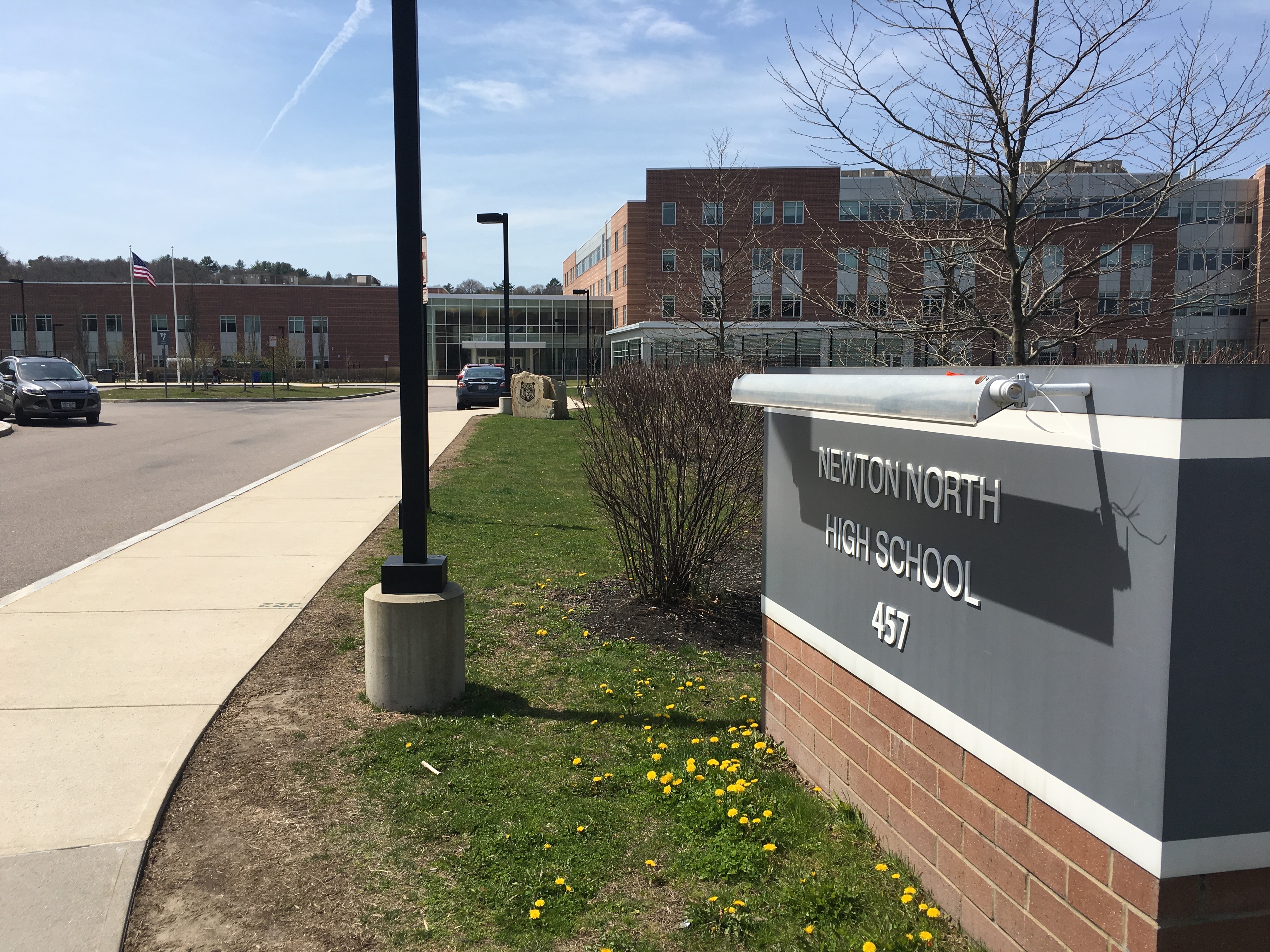
Newton Fire Chief Greg Gentile is warning residents that the city's wooded areas face elevated brush and wildfire danger as Middlesex County endures its ninth driest year in 132 years of records.
The county has received 6.09 fewer inches of rain than normal from January through July 2026, according to the National Integrated Drought Information System. That deficit has prompted the Newton Fire Department to warn that wooded areas across the city face heightened fire danger, Gentile said.
"Prevention and public awareness are important," Gentile told Fig City News in an Aug. 18 report. "During periods of extreme drought, we make a greater effort to remind residents about the dangers associated with outdoor ignition sources."
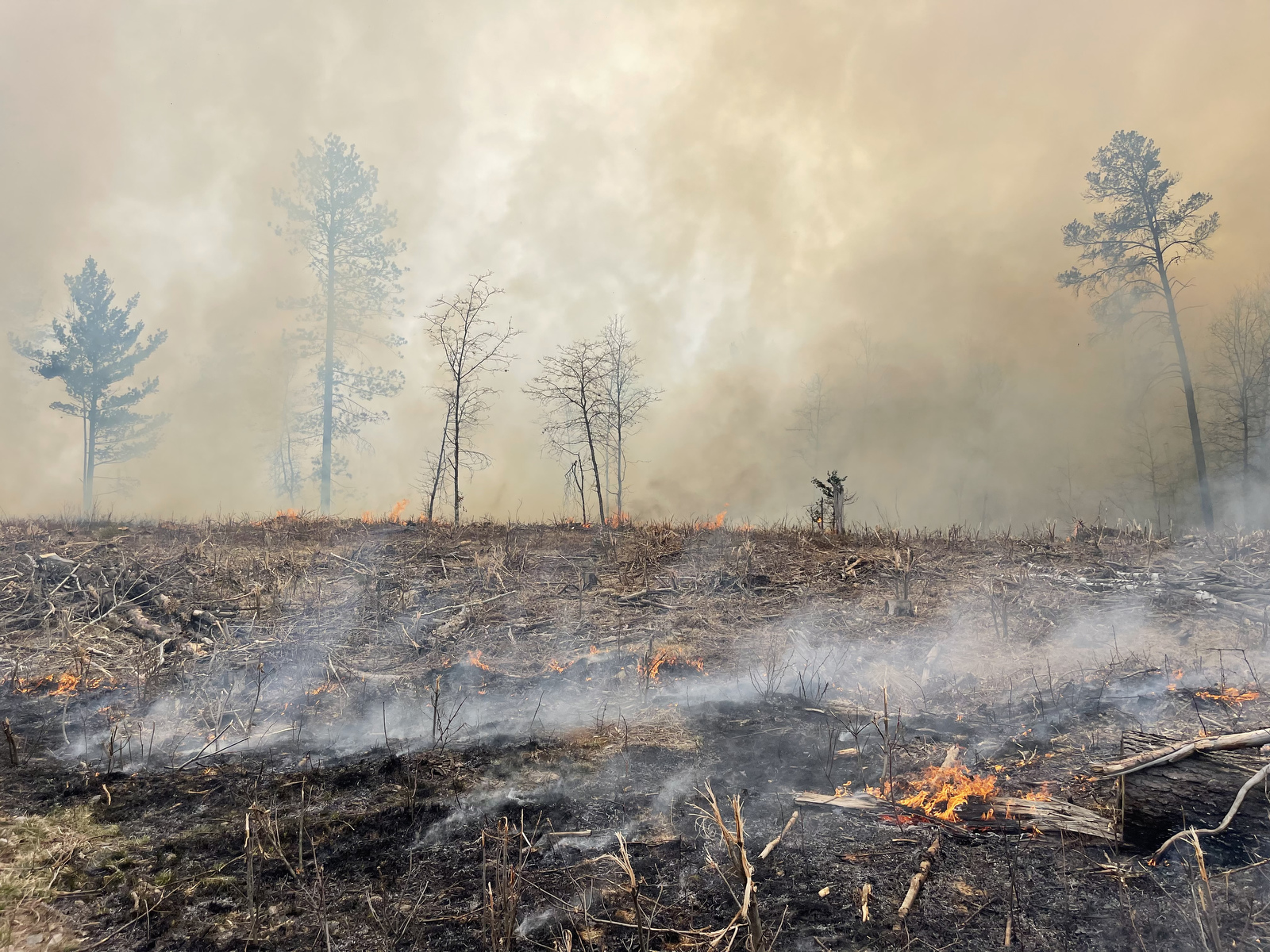
Newton's last major woodland fire was a 2018 ground fire in Webster Woods, fueled by dry leaves and branches. The cause remains unknown.
What the NFD is doing
The department maintains lightweight, portable hose lines that let firefighters push water deep into wooded terrain where trucks cannot reach, Gentile said. Massachusetts also recently revamped its statewide Fire Mobilization Plan for brush fires, creating a more organized system for communities to request and share resources. A local forestry strike team stands ready to assist when an incident outpaces the initial response, according to Gentile.
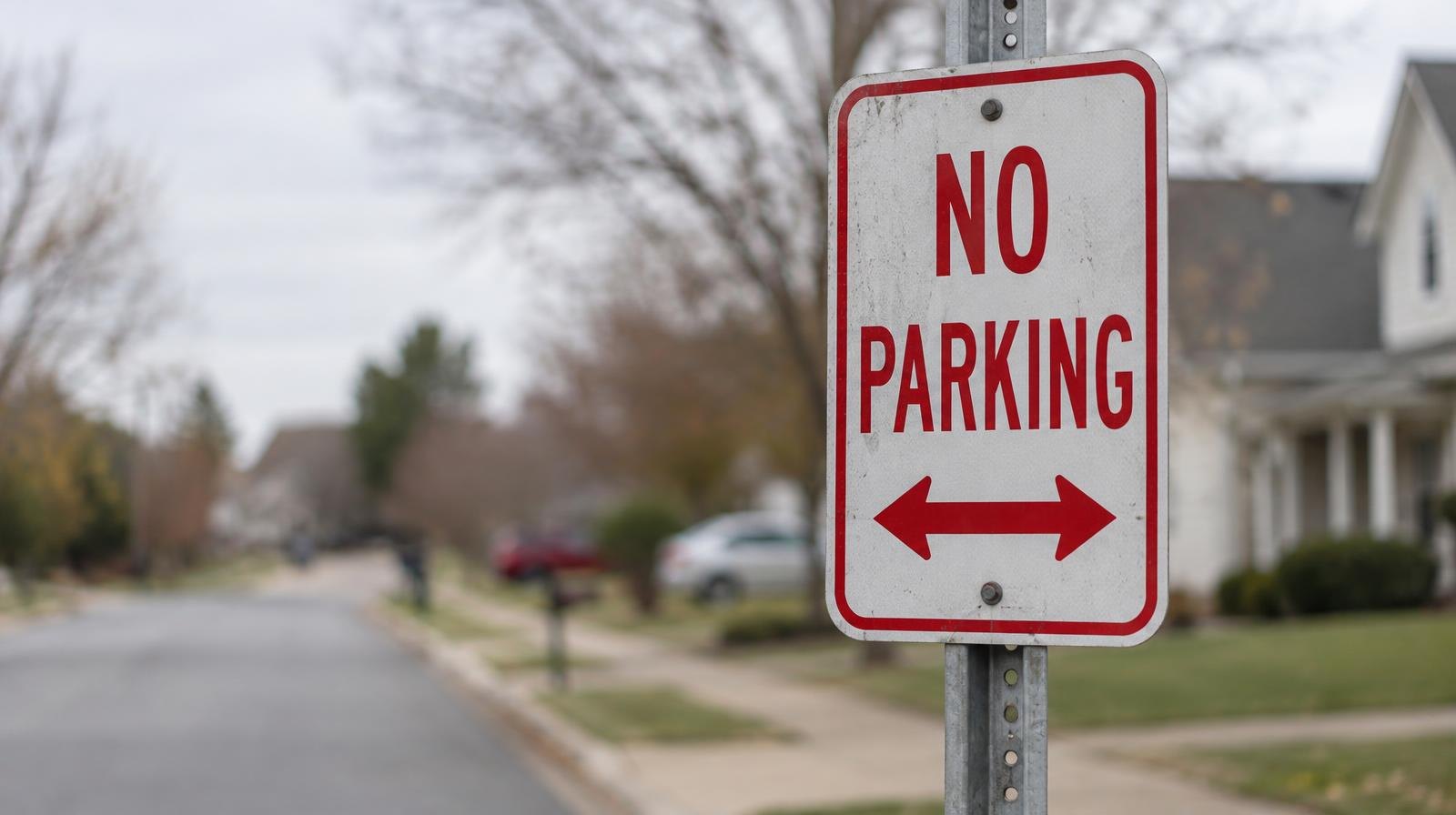
During drought conditions, the NFD posts signage in affected areas to alert residents to the hazard.
Ember risk near homes
David Celino, chief fire warden for the Massachusetts Department of Conservation and Recreation, said in the same Aug. 18 report that Newton's open spaces contain flammable fuel types including oak, hickory, pine, pitch pine, shrubs, huckleberry and grassland intermixed among neighborhoods.
Celino warned that most homes lost in wildland fires are destroyed not by direct flames but by embers that lodge in crawl spaces, gutters, vents, under wooden decks and in firewood piles stacked against houses.
What residents should know
Newton is one of 22 Massachusetts communities where open burning is permanently prohibited year-round. That means no backyard fires and no burning yard waste, regardless of season.
Boston University biology professor Richard Primack, a Newton resident and frequent visitor to Webster Woods, told Fig City News that climate change has increased wildfire susceptibility because higher temperatures dry out leaves and branches on the forest floor. He said the most common local ignition source is people: homeowners burning yard waste or having backyard fires. He urged residents not to smoke in wooded areas and to ensure cigarettes are fully extinguished.
Nationally, 85% of all wildfires are human-caused, according to the National Park Service.
Residents who spot smoke or fire in Newton's wooded areas should call 911 immediately. The NFD has not announced a public meeting or formal drought declaration but is urging residents to monitor department communications as dry conditions continue.